Gainesville, FL — Serving FL, GA & SC | Licensed & Insured • Est. 1978
(352) 372-5567 Get a Free Quote

Licensed & Insured • Serving FL, GA & SC Since 1978

Lake & Pond Dredging

Three Steps to a Healthier, More Beautiful Water Body

From the initial sediment study and depth survey to the hauling and disposal of your removed sediments — we handle everything. Aqua Plant Control has been restoring water bodies across the Southeast since 1978.

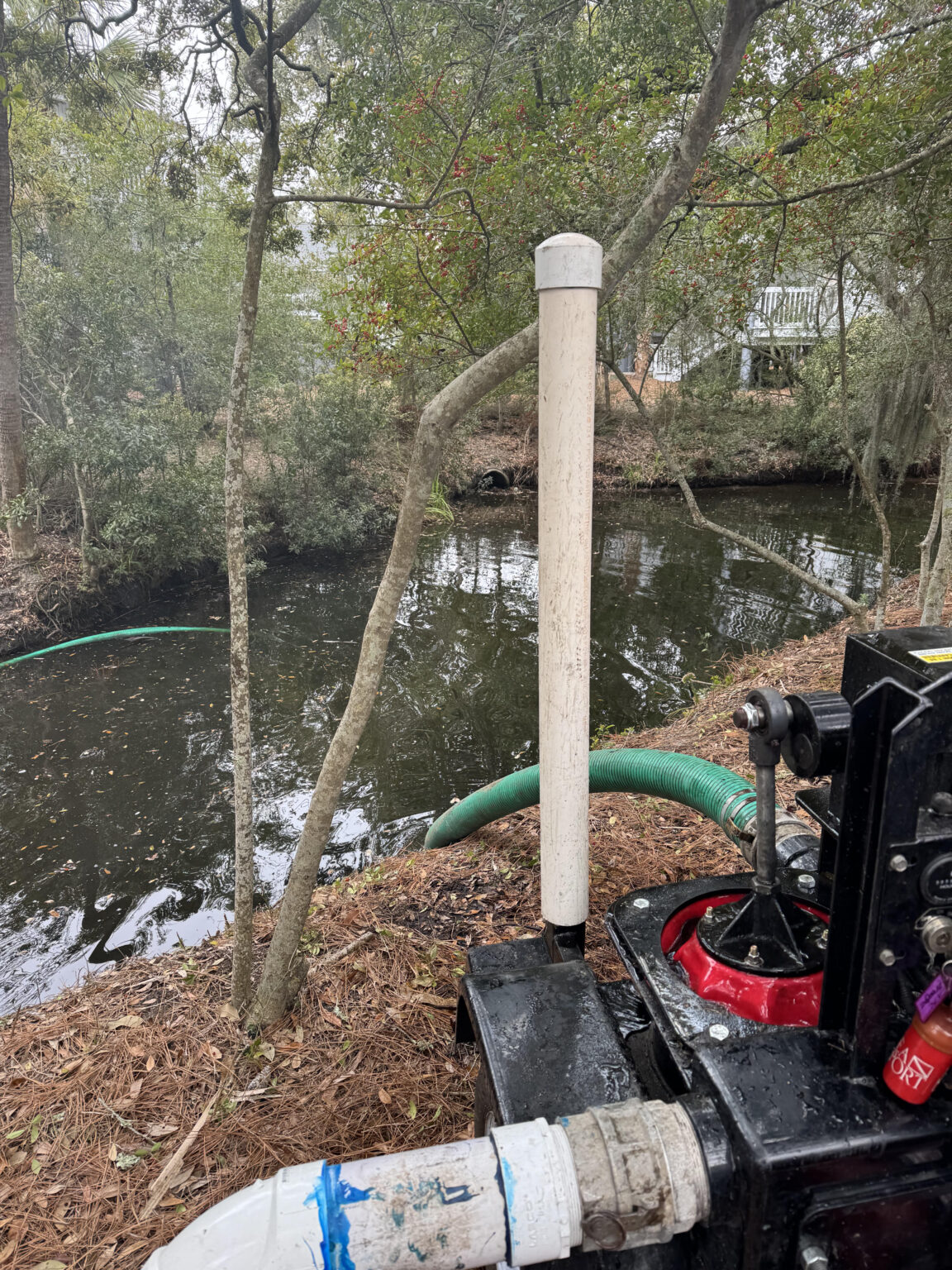
Dredging suction pump at pond site

The Signs Your Pond Is in Trouble

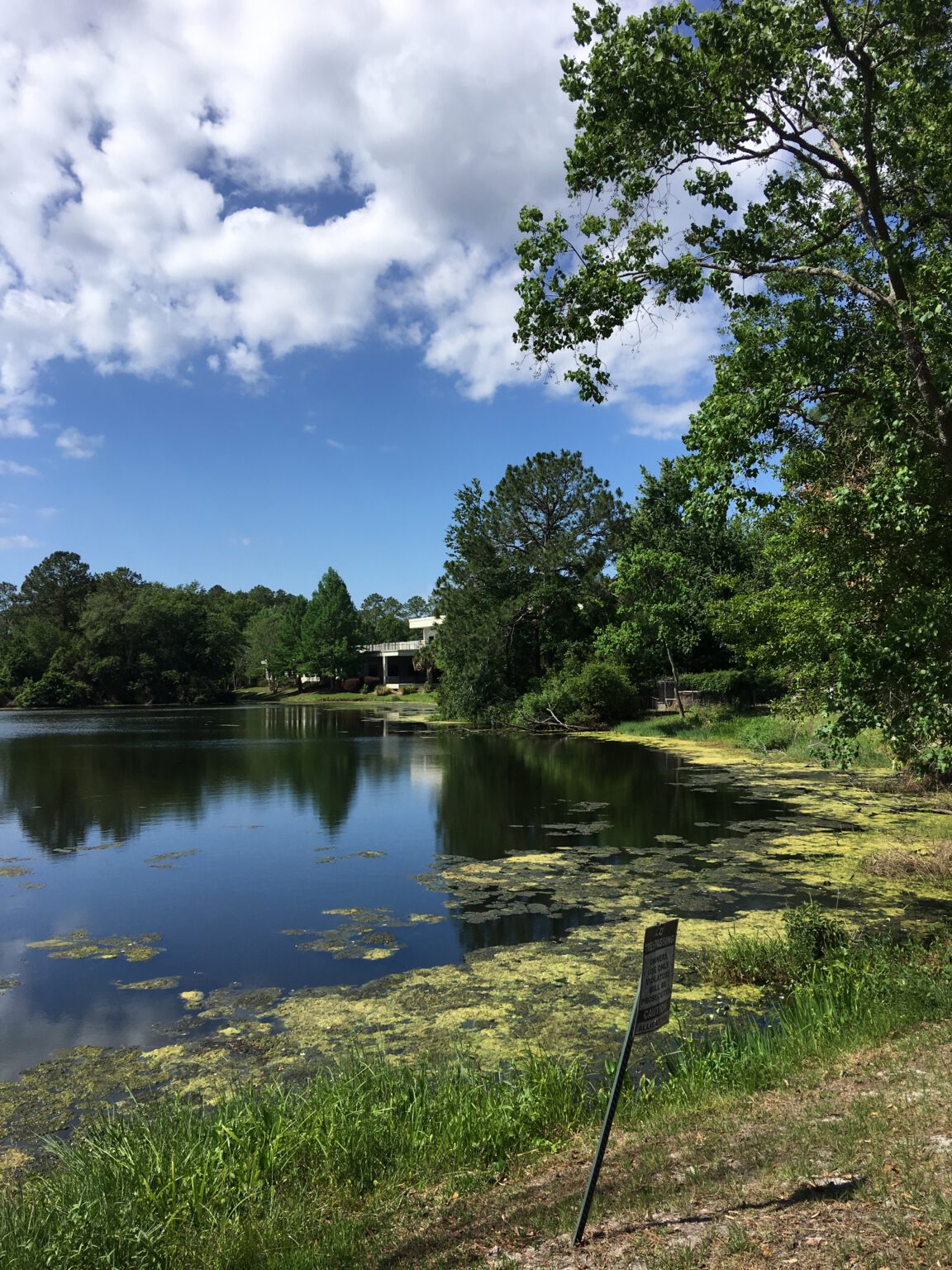
Algae blooms become more prominent, and foul swampy smells begin to permeate from the muck on the bottom. It gets worse every year as muck levels rise.

Flooding can become a serious issue if the pond was designed as a retention basin and can no longer hold its designed capacity of water.

Every year your pond loses 1–3 inches of depth. Leaves, grass clippings, stormwater runoff, and decaying organic matter settle to the bottom every single day. Over a decade, that’s feet of sediment — not inches.

What Dredging Looks Like

Two approaches. We’ll help you choose the one that fits your pond, your property, and your budget.

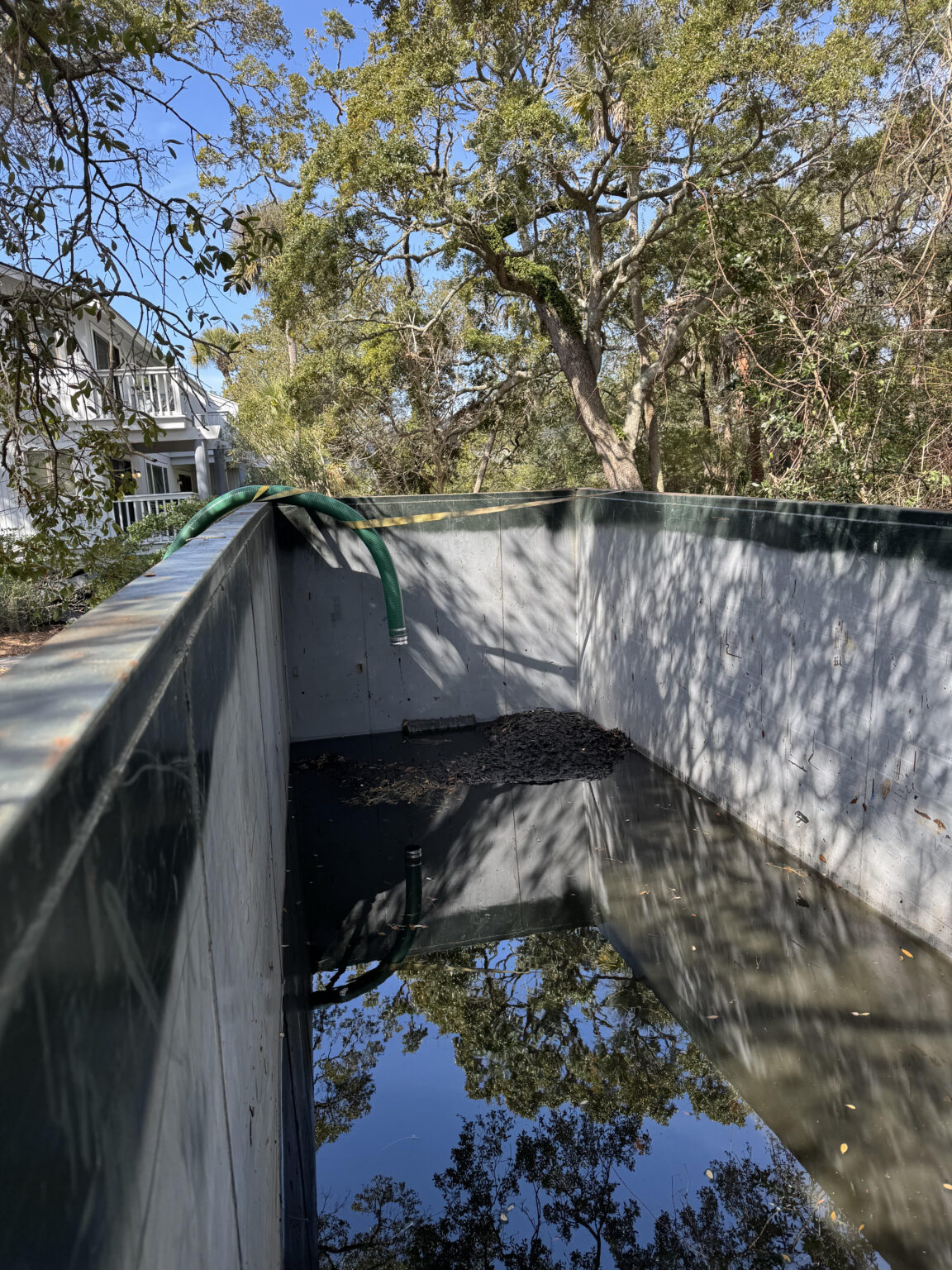
Mini suction dredger at work on a pond
Option 1

Low Footprint — Mini Suction Dredger

Minimal equipment needed. Smaller costs with less damage to the landscape than traditional digging equipment.

Our mini suction dredger pumps sediment directly out of the pond through a pipeline — no heavy machinery tearing up your banks or lawn.

  • Best for: Smaller ponds, sensitive landscapes, HOA communities
  • Lower cost than heavy equipment
  • Minimal landscape disruption
  • Quieter operation
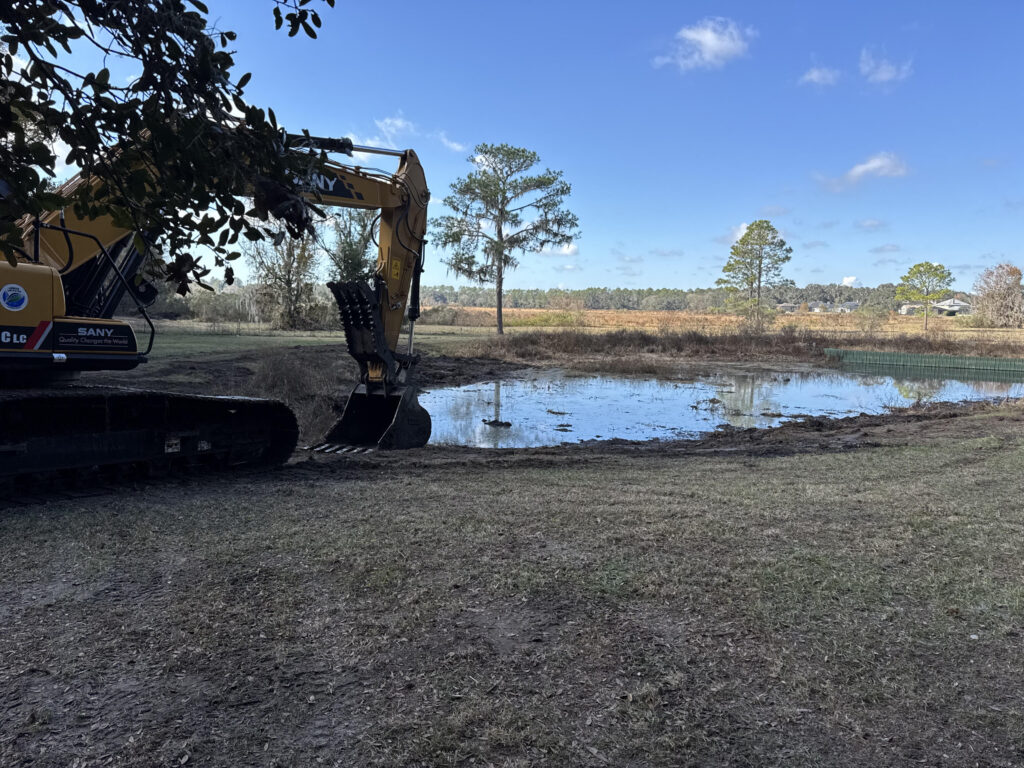
Excavator dredging a large pond
Option 2

Heavy Equipment — Excavators & Skid Steers

We use a wide variety of large excavators and skid steers to quickly excavate the muck until the pond or lake is at its properly designed depth.

This is the fastest route for large-scale projects where time is critical.

  • Best for: Large ponds, lakes, retention basins, major restoration
  • Fastest completion time
  • Higher volume of sediment removed per day
  • Higher price but faster results

You Might Need Dredging If…

Your Pond Is More Mudhole Than Water Body

What used to be a beautiful water feature now looks like a shallow mud pit — nothing like the pond it used to be.

🍂

Leaves Piled From Bottom to Top

You can visibly see mounds of leaves and organic debris piled from the bottom almost to the surface.

🌊

Flooding After Every Storm

Your surrounding areas are flooding almost immediately after a good storm because the pond has lost its holding capacity.

👁

Mud Pits Instead of Water Features

Your water features look more like mud pits than your visitors, residents, or golfers would expect.

The Good News?

We’ve fixed this problem for people all over the Southeast for over 45 years. Your pond can look great again.

Clogged outflow pipe in need of dredging

⚠️ Does Your OUTFLOW / INFLOW Look Like This?

If your outflow or inflow pipes look like this, you are potentially one bad storm away from severe flooding problems. Don’t wait until water is in your parking lot or your neighbor’s yard.

Get a Free Assessment →

How It Works

We handle everything. You just watch it get better.

1

Call for a Free Estimate

We’ve done this enough to know a ballpark estimate on what a job of your specific nature and size will cost. There are always specifics regarding the disposal of your sediments that dramatically affect the final price. This varies based on location and local dumping regulations.

💡 Want to save? If you can dump the sediments on your own property, it dramatically reduces the cost. Some clients keep the sediment as fill dirt or fertilizer and have saved thousands.
2

We Determine Which Method Fits Your Needs

Based on the info you provide us and some follow-up questions — with a potential visit or video chat at your pond or lake — we can determine which dredging method suits you and your budget.

For retention ponds, we recommend a depth study be done to see if your pond meets FDEP regulations. If you’re one of the rare cases that requires a permit, we handle the entire process. We’ve worked in accordance with these agencies for 45+ years.

3

We Get to Work

We will be there to set up on our scheduled date, so long as weather allows. The length of time we spend working your location depends on the size of the area we’re dredging or excavating.

A small pond can be done in a few days, whereas a large pond or lakefront job could be up to 6 weeks.

4

Verified Results

Post-dredging or excavation, a depth study will be taken to show you exactly how much deeper your water body is. No guessing — real, measured results you can see.

Why Aqua Plant Control

This Isn't Our First Pond. Or Our Thousandth.

45+
Years in Business

Not some fly-by-night outfit. We've been doing this since 1978.

500K+
Acres Restored

More freshwater acres restored than any company in the region.

$35M+
In Managed Treatments

Government agencies and private clients trust us with serious budgets.

We've restored the Withlacoochee River for the U.S. Army Corps of Engineers, managed water at Kiawah Island Golf Resort (home of the Ryder Cup) since 1986, and maintained the University of Florida's water bodies including Lake Alice. Your pond is in experienced hands.

FAQ

Common Questions About Dredging

How much does dredging cost?

Projects typically range from $4,000 to $40,000 depending on pond size, sediment depth, access, disposal method, and location. That’s why we start with a free assessment — we’ll give you a detailed quote specific to your situation, not a vague estimate.

What happens to the removed sediment?

We handle hauling and disposal as part of our full-service approach. However — if you want to keep the sediment and use it as fill dirt or fertilizer, it dramatically reduces the cost of your entire project. While not the most common practice, we have had clients ask to keep it for their own personal use, and they saved thousands.

How long does dredging take?

It depends on the size and scope. A small pond can be completed in a few days. A large pond or lakefront project could take up to 6 weeks. We’ll give you a clear timeline during the estimate process.

What’s the difference between suction dredging and excavation?

Suction dredging uses a mini dredger to pump sediment out through a pipeline — it’s lower impact, quieter, and causes less damage to the surrounding landscape. Excavation uses heavy equipment like excavators and skid steers to physically dig out the muck — it’s faster but more disruptive. We’ll help you choose the best method for your situation and budget.

Do I need a permit?

Not always — but if your project is one of the rare cases that does require a permit, we handle the entire process. We’ve worked in accordance with permitting agencies for over 45 years.

How do I know if my pond needs dredging?

If your pond smells, has visible algae blooms, floods during storms, or looks more like a mud pit than a water feature — it’s time. For retention ponds, we recommend a depth study to check if it still meets FDEP regulations. We’ll tell you honestly whether dredging is the right solution.

Stop Watching Your Pond Get Worse

The assessment is free. The quote is free. The only thing that costs money is doing nothing — because next year it’ll cost more.